

APPLICATION
Our boron materials are widely used in metallurgy, ceramics, electronics, new energy and nuclear industry with stable performance to meet diverse industrial production demands.
Nuclear Industry
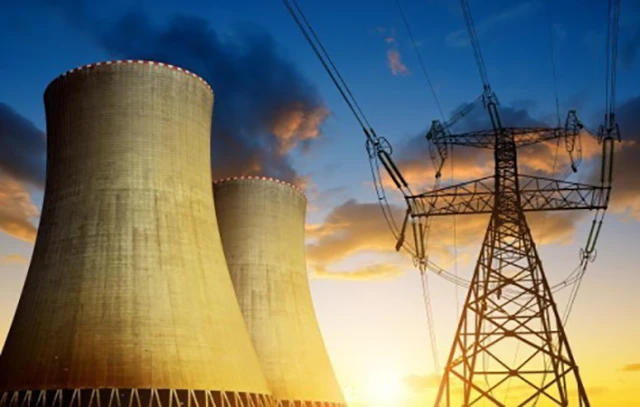
Crystal boron has important applications in the nuclear energy field. It can be used as a neutralization control material in nuclear reactors, primarily to compensate for and regulate neutralization reactivity and to facilitate emergency shutdowns, thereby maintaining the stable operation of the nuclear reactor. Crystalline boron not only has a high neutralization absorption cutoff but also a wide range of neutralization energy absorption, effectively reducing or regulating the neutralization flux generated by nuclear energy, thus ensuring the safety of the nuclear energy system.
Semiconductors
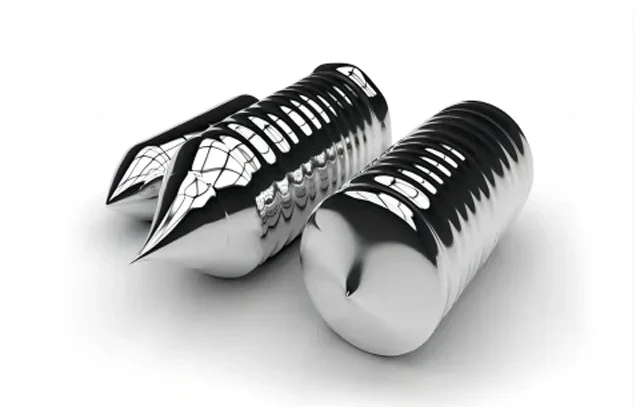
Crystal boron is also widely used in the semiconductor industry. As a p-type dopant, crystalline boron can be used to modify the conductivity of semiconductor materials. By doping crystalline boron into silicon, the conductivity of silicon can be altered, thereby manufacturing semiconductor devices with different conductivity types, such as diodes and field-effect transistors. In addition, crystalline boron can also be used as a source material for growing long-term semiconductor single-crystal materials. By growing boron-doped silicon single crystals through a melt method, high-performance semiconductor devices can be fabricated.
High-Hardness Materials
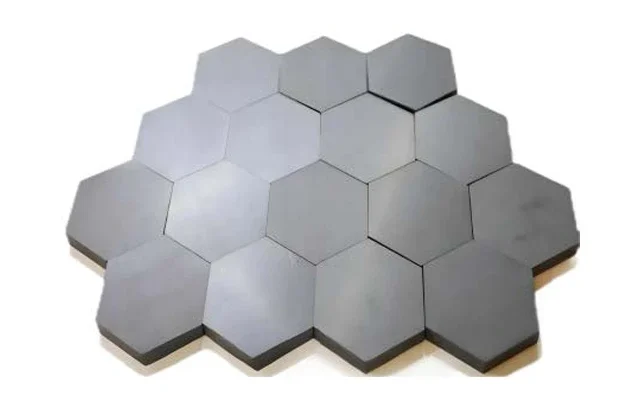
Crystalled boron can also be used to prepare high-hardness materials, such as boron carbide (B4C) and graphite boron compounds (Bg). Boron carbide is an extremely hard ceramic material with excellent wear resistance and high-temperature resistance, and is therefore widely used in the manufacture of bulletproof armor, hard tools, abrasives, and wear-resistant ceramics. Graphite boron compounds are materials with a graphite-like structure, exhibiting high electrical conductivity and thermal stability, and can be used to prepare high-performance conductive binders, thermally conductive materials, and friction materials.
Nuclear Industry
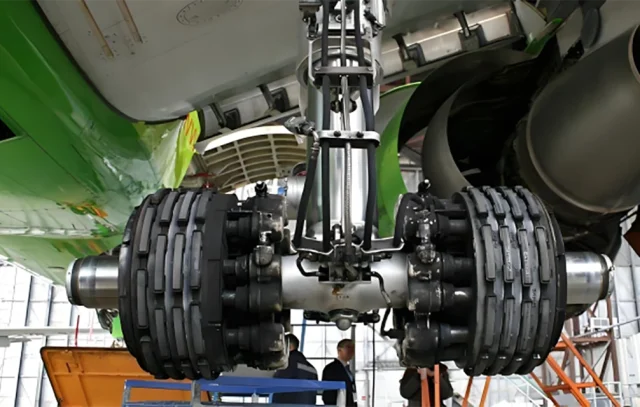
Crystalline boron has important applications in the nuclear energy field. It can be used as a neutralization control material in nuclear reactors, mainly to compensate for and regulate neutralization reactivity and to facilitate emergency shutdowns, thereby maintaining the stable operation of the nuclear reactor. Crystalline boron not only has a high neutralization absorption cutoff but also a wide range of neutralization energy absorption, which can effectively reduce or regulate the neutralization flux generated by nuclear energy, thus ensuring the safety of the nuclear energy system.
Rocket Fuel-Rich Propellant
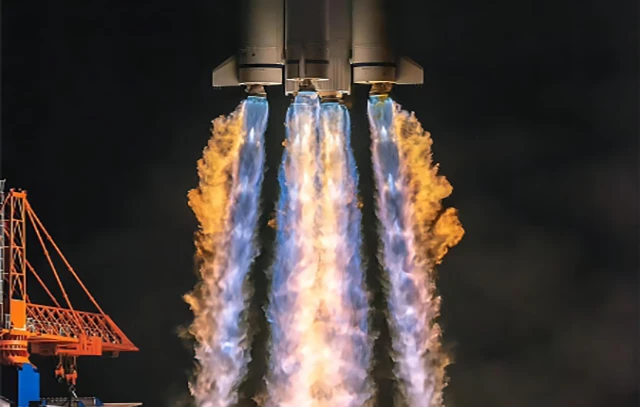
The powerful exhaust plume of rocket launches originates from fuel-rich propellants, and high-purity boron powder is a core energy source. Boron has a much higher energy density than aluminum and magnesium fuels, and its heat release capacity is outstanding. In fuel-rich systems with a low oxidizer ratio, boron powder undergoes initial combustion in the combustion chamber, followed by a secondary reaction with air to generate high-temperature combustion gases, continuously providing thrust. Micro- and nano-sized boron powders increase propellant specific impulse, thereby increasing rocket payload and range; surface modification solves problems of powder agglomeration and incomplete ignition. Boron-based propellants have now become the mainstream power material for next-generation launch vehicles.
Pantograph Sliding Plate
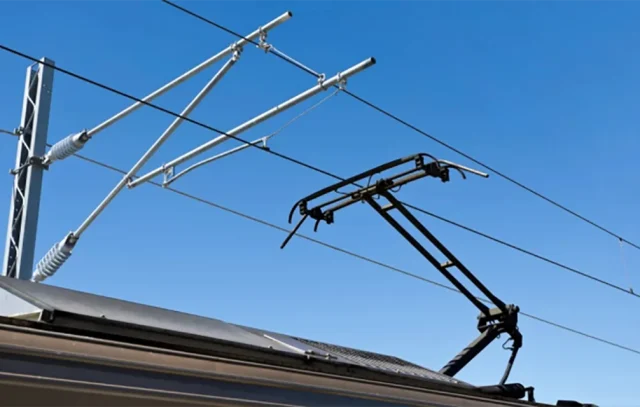
Boron-based composite materials are added to the pantograph sliding plate on the roof of high-speed trains. Borides possess excellent conductivity, wear resistance, and high-temperature resistance, reducing frictional losses between the sliding plate and the contact wire. Simultaneously, boron-containing insulating ceramics are used in overhead cable insulators, offering anti-aging properties, stable insulation, and significantly reducing the risk of leakage. Boron materials are lightweight and corrosion-resistant, suitable for long-term high-speed train operation, effectively extending the service life of power supply components and ensuring stable and safe power supply for rail transit.


